
“You can’t predict baseball” rings truer with each passing season. The 2026 Arizona Diamondbacks might have embodied that phrase as much as any other club.
Expectations were not high for this D-backs team heading into 2026. They hardly even existed, given how much uncertainty surrounded the roster and how many key players would be starting the year on the Injured List.
And yet, on the final day of the season, Arizona was alive — for about five innings. The D-backs won 86 games this season; that wasn’t enough to make the playoffs. For the third time in three seasons, Arizona was eliminated in the last series of the year — against the San Diego Padres, again.
For as frustrating an end as that may be, it would be somewhat dishonest to not admit this team came with its fair share of pleasant surprises. It also provided plenty of unexpected disappointment — often in areas thought to be near-ironclad.
With the book closed on 2026, let’s take a look at some of those unexpected positives — and the shortcomings that accompanied them.
Biggest pleasant surprises of 2026 D-backs
The Bullpen
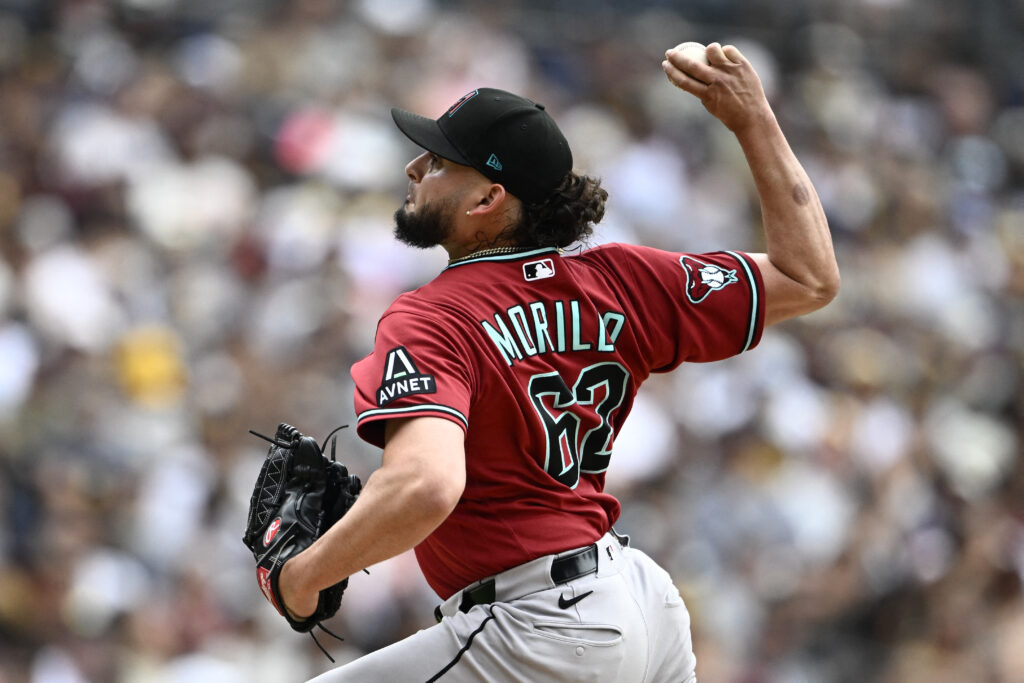
“Like the Phillies, the Diamondbacks have a bullpen game tomorrow,” Destiny Lugardo, a BBWAA writer covering the Philadelphia Phillies, posted on X/Twitter just three days ago. “The only difference is that the Diamondbacks have a better bullpen.”
The latter portion of that statement took a few moments to sink in. That external perception of Arizona’s bullpen was certainly accurate, but still shocking to witness in real time.
After back-to-back seasons in which the D-backs posted bottom-five relief ERAs, the bullpen simply had to be better. It couldn’t possibly get much worse. A few additions were made — nothing major.
But what the D-backs were able to get out of their relievers, even considering a handful of poor-performing arms and a meltdown or two along the way, was nothing short of remarkable.
Arizona ranked 16th in baseball with a 4.07 bullpen ERA — an 11-spot jump and 75-point improvement. Five regularly-contributing arms posted ERAs below 3.00.
Those numbers may not stand out as elite on the surface, but the D-backs’ bullpen was even better than that. By Win Probability Added, Arizona’s relievers ranked fourth in all of baseball, adding a WPA value of +8.24. It wasn’t just an improvement.
The D-backs’ bullpen was situationally elite, even after parting with closer Paul Sewald in favor of a committee-based approach. Blown saves felt like a distant memory. The wave of calm that accompanied the opening of Chase Field’s bullpen gate was unlike anything D-backs fans have experienced this decade.
There is no question about it. Arizona’s bullpen was its biggest surprise — and biggest strength. Imagine that.
Gabriel Moreno’s batting title
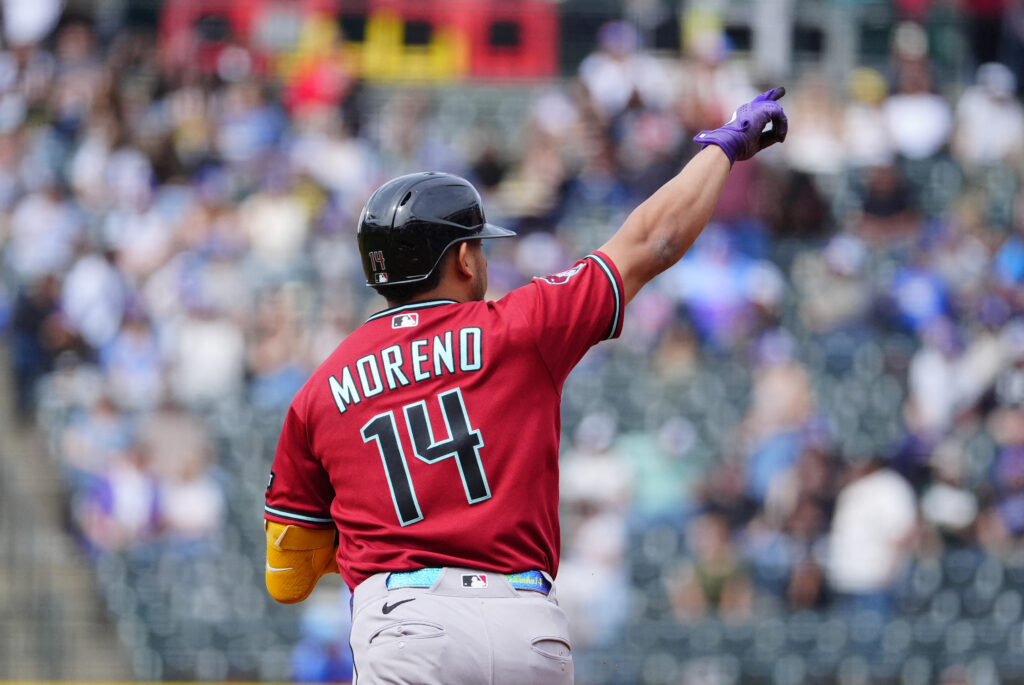
We’ve been predicting breakout seasons for catcher Gabriel Moreno ever since he arrived in the desert. His 2026 season smashed those predictions.
Moreno set career highs in nearly every hitting category. He slashed .311/.388/.486, posted a .874 OPS and recorded his most-ever home runs (16), doubles (33), RBI (83) and walks (61).
And for as antiquated a stat as batting average is, Moreno stood alone in the National League, narrowly beating out Luis Arraez of the Phillies for the NL Batting Title. Moreno is the first Diamondback to ever earn that honor.
“It means a lot for me and to my family,” Moreno said. “I worked really hard during the season. … I just feel like I was seeing the ball really good. … I think the credit is for the hitting coach.”
Most importantly, Moreno stayed mostly healthy. He played in a career-high 130 games, despite ending the year on the bench due to a hamstring injury. A healthy Moreno is a high-level player, but his 2026 season will stand out in D-backs history.
Nolan Arenado’s resurgence
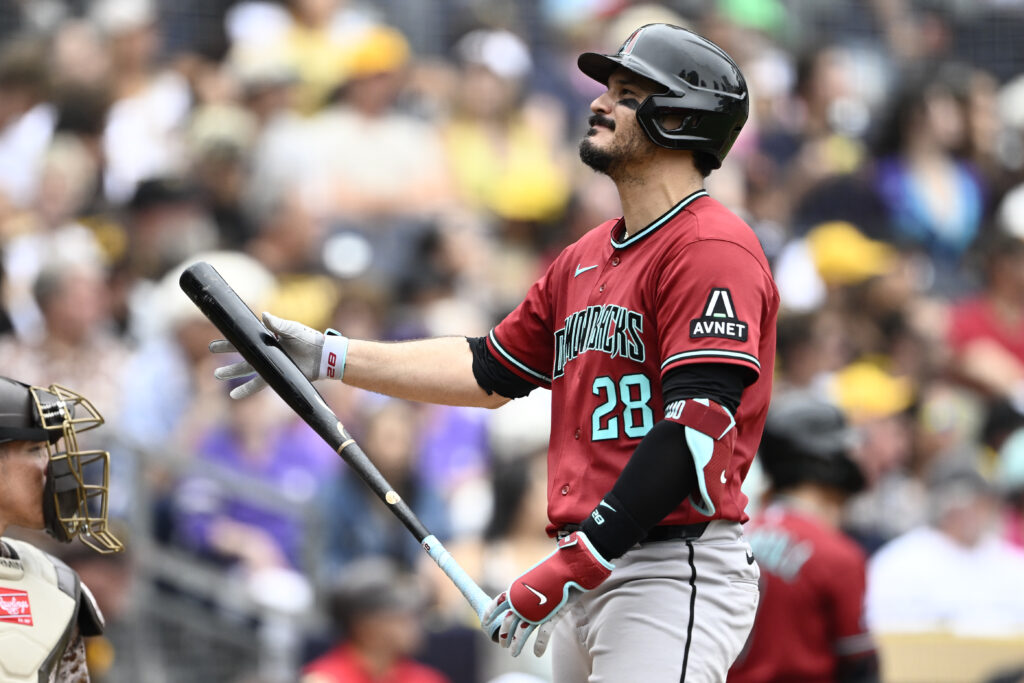
When the Diamondbacks traded for Nolan Arenado this offseason, the hope was more that he would solidify Arizona’s infield defense. The 10-time Gold Glover certainly did that, but it was his offense that was the most shocking.
At 35 years old, expectations were low for Arenado, coming off back-to-back poor seasons in St. Louis. He’d posted OPS figures of .719 and .666 in 2024 and 2025, failing to reach 20 homers both times.
After a brutal start to his tenure in Arizona, Arenado’s bat came alive again. In 152 games, he hit .255/.331/.475 for a .806 OPS and notched his eighth career 30-homer season — all while emerging as a veteran leader on a relatively young club. He’s still under contract for just $6 million in 2027, as well.
Eduardo Rodriguez, in general
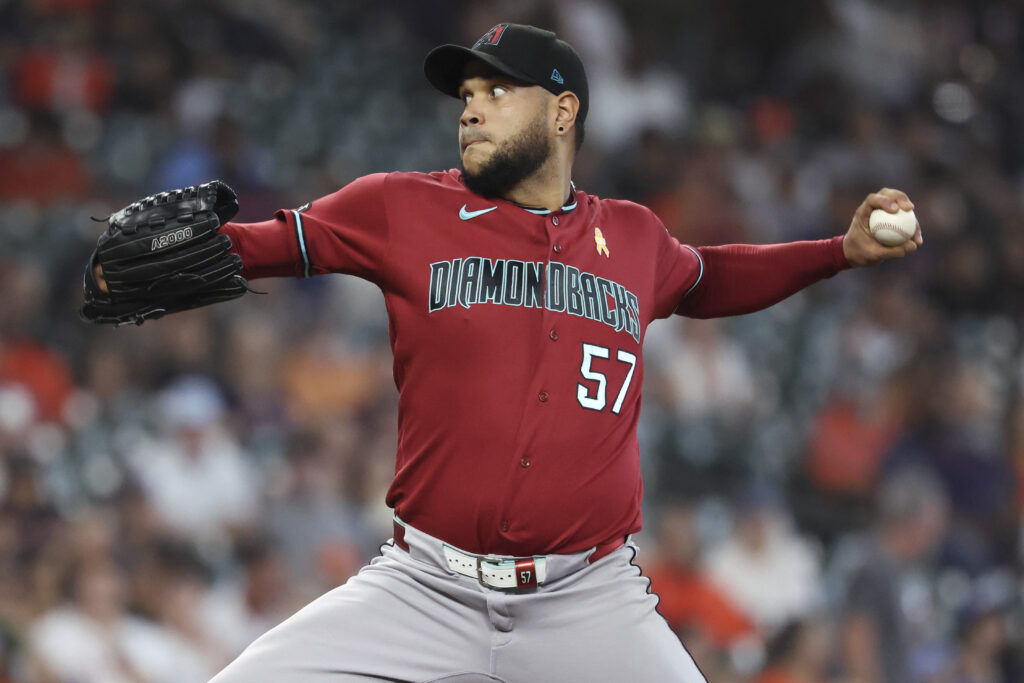
Eduardo Rodriguez’s four-year, $80 million contract was looking like one of the worst investments in franchise history after the veteran left-hander posted back-to-back 5.00-plus ERA seasons.
But Rodriguez’s 2026 began with a heroic, championship-winning start for Team Venezuela in the World Baseball Classic, and that compounded into a truly ace-caliber season.
Rodriguez posted an ERA of 2.89 in 32 starts. He was healthy, slimmer and more effective as a whole. Rodriguez contributed 16 wins, consistently managed to outperform his peripheral metrics, and stranded over 80% of his baserunners.
It wasn’t pure luck; Rodriguez was simply the best version of himself for the first time in Arizona. He was the veteran ace the D-backs needed.
D-backs’ biggest 2026 disappointments
Struggling stars
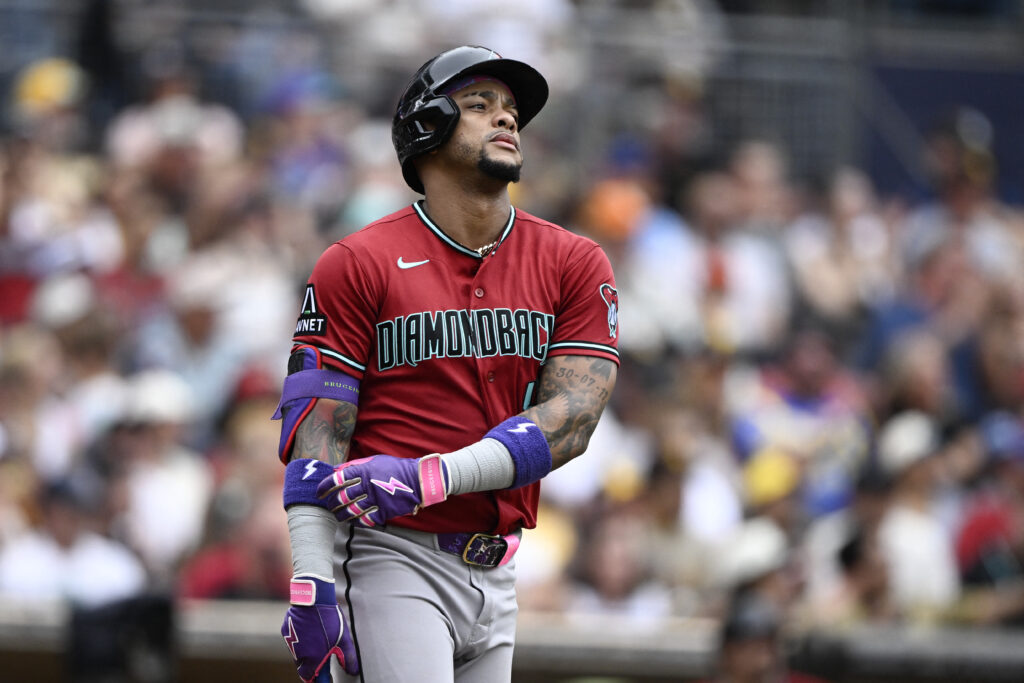
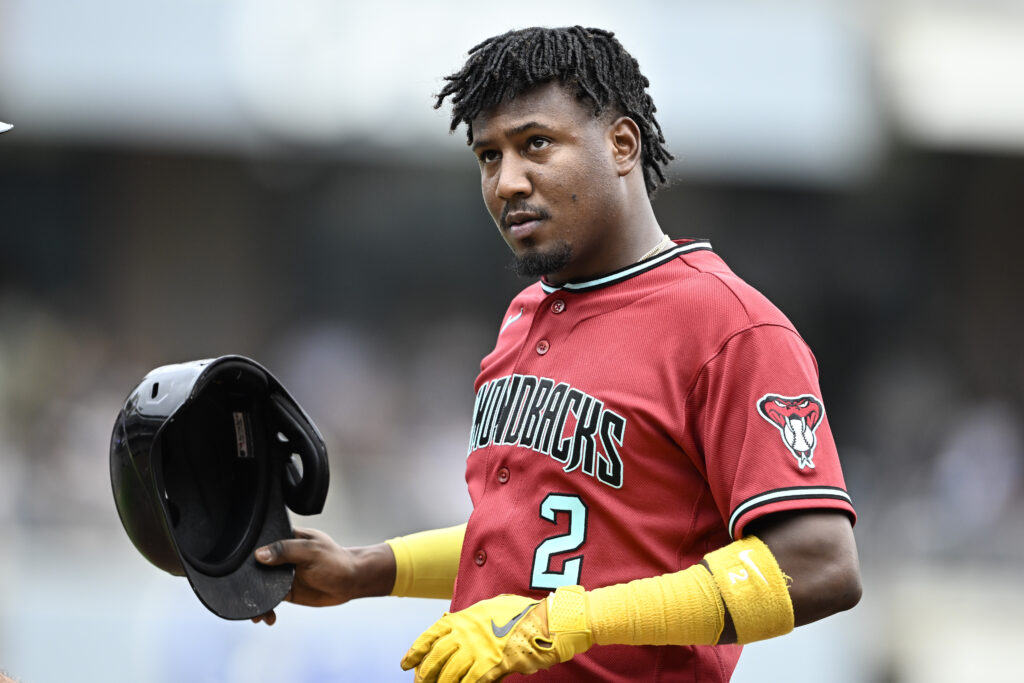
The Diamondbacks have three of the most talented hitters in baseball atop their order, but what Corbin Carroll, Ketel Marte and Geraldo Perdomo did this year left a bit to be desired. They were simply not the same menacing high-order trio they were in 2024 or 2025, despite stretches of excellence.
Carroll hit to a .795 OPS with 22 homers — both his lowest since his 2024 slump season. His .163 July average and .205 September average contributed to that, and although he led the league in triples (17), he struggled enough to be moved down to fifth — and even seventh — in Arizona’s order as the season winded down. It was a good season for Carroll, just not an elite one.
Marte, meanwhile, hit to a .748 OPS with 22 homers of his own. He struggled to get on any lengthy stretch of success. He was unexpectedly absent in Boston and created more negative noise. While still responsible for some thrilling moments and high-level play, this was simply not the Marte of 2025 or before.
Perdomo was a valuable player by way of his excellent shortstop defense. His .262/.370/.377 slash and .747 OPS were a serious step down from his MVP-level 2025 season, however, and he hit just .186 with runners in scoring position despite hitting .331 in that situation last year.
That, of course, was a common theme with this year’s offense…
Situational offense
…Because the Diamondbacks hit .250 with runners in scoring position, and it felt significantly worse than that.
Strangely enough, Arizona’s .756 OPS and 103 wRC+ with RISP was technically above average. It was also technically better than 2025 (.744 and 100). But in 2024, the D-backs led baseball in OPS (.852) and wRC+ (131) with RISP.
Sometimes, baseball’s eye test defies the numbers. It felt, all too often, that Arizona squandered scoring chances in the biggest moments. Even productive outs — and some of the more unlikely RBI singles — felt like an impossible outcome to achieve, at times.
The truth is, Arizona’s offense in general was not the same unit that has terrorized opposing pitching staffs in recent years. The D-backs’ .720 team OPS tied for 11th in baseball after placing top five in 2025 (.758) and 2024 (.777). Their first base OPS (.636) was the worst in MLB by nearly 30 points.
It just didn’t feel like a standard Diamondbacks offensive output this year.
Gallen, Kelly and the injured pitchers
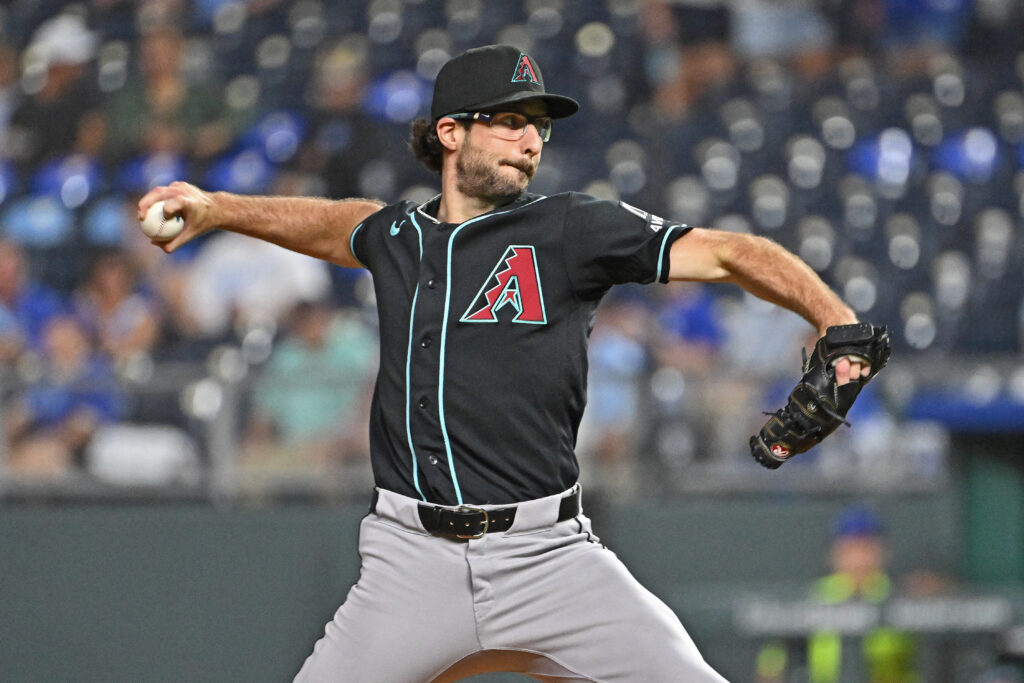
The Diamondbacks went into 2026 without making wholesale additions to the pitching staff. They did, however, bring back Zac Gallen and Merrill Kelly on relatively lucrative deals.
Both of those players severely underperformed and spent time on the IL. Gallen followed up a career-worst 4.83 ERA season in 2025 with a 6.07 ERA, an elbow injury and a bullpen demotion.
Kelly was supposed to be Arizona’s opening day starter, but landed on the IL with intercostal nerve irritation before the year began. He never quite looked like himself, throwing to a career-worst 4.94 ERA in 29 starts.
Meanwhile, one of the qualifiers for a lack of external moves was the fact that Arizona would be getting back its injured contingent — Justin Martinez, Corbin Burnes and A.J. Puk. Only one of those arms, Martinez, would end up providing any real positive value.
Puk suffered a shoulder injury during rehab and was shut down for the remainder of 2026. Burnes, too, had a shoulder issue push his Tommy John return timeline well into September, where he made three starts and allowed nine earned runs in 10.1 innings before landing back on the IL with shoulder inflammation.
The point is, the mid-season reinforcements never happened, and a rotation that felt packed at the start of 2026 had to turn to rookies and struggling veterans for a few too many starts.