© 2026 ALLCITY Network Inc.
All rights reserved.


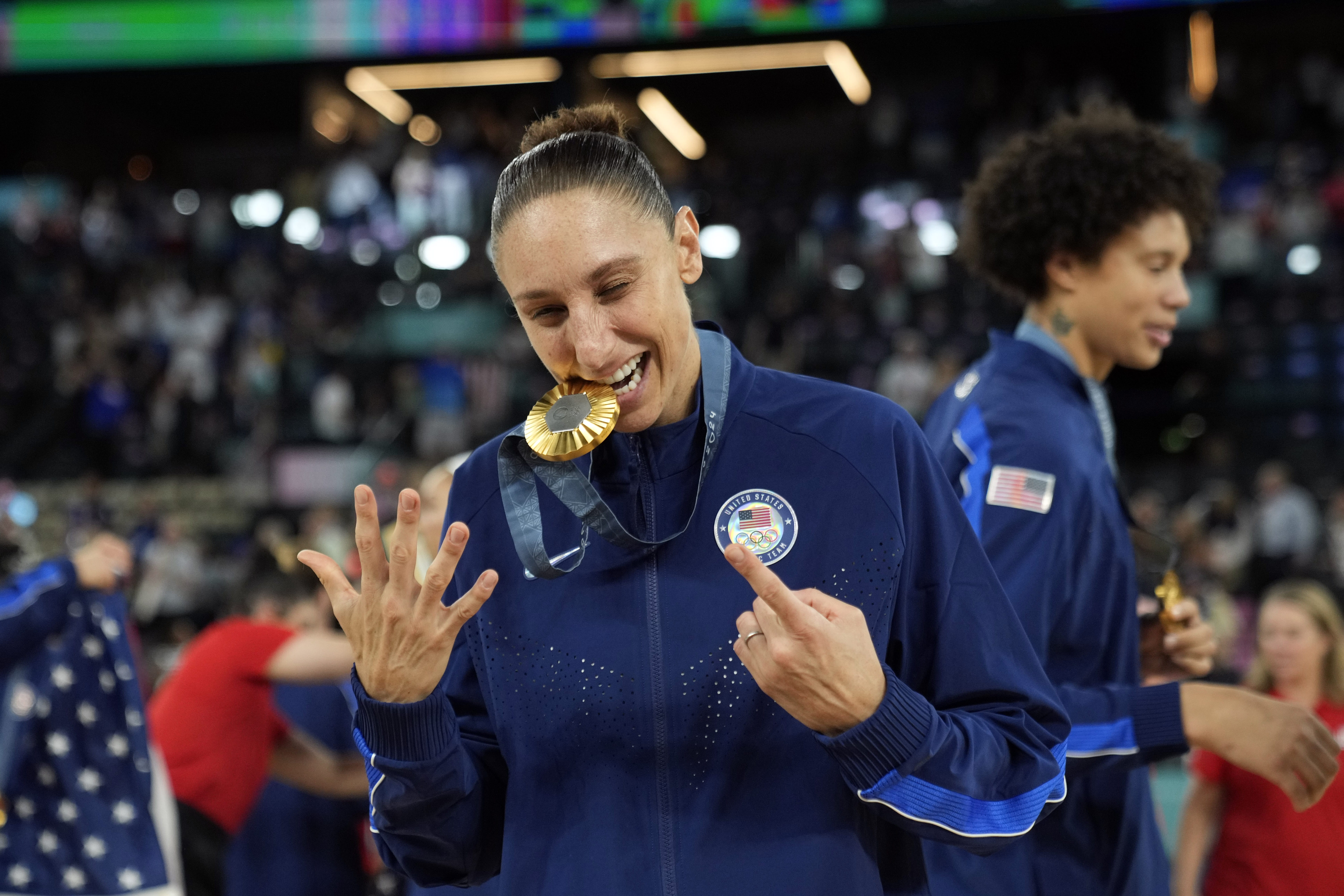
Last Thursday, the new three-part Diana Taurasi documentary simply titled “Taurasi” was released on Amazon Prime Video. The series looks at essentially her entire life from shooting the ball in her driveway, to playing at UConn, to the WNBA and overseas career, all the way to her official retirement in 2025. Featuring interviews from herself and a multitude of others including her parents, UConn coach Geno Auriemma and WNBA legend Sue Bird, the series gives a number of views into the life and career of the Phoenix and women’s sports legend. Here are some of my biggest takeaways from the three episodes. Warning, there are some spoilers ahead.

Living in Argentina
If you didn’t know, both of Taurasi’s parents were raised in Argentina and emigrated to the United States where they eventually had Taurasi and her older sister Jessika. But for a short period, the family had moved back to Argentina. It was quite the culture shock for the sisters, for Jessika in a good way and Diana more negative. Diana found there weren’t nearly the same opportunities to play basketball in Argentina as there were in Chino, California. After the family got robbed at gunpoint, the Taurasi’s decided to move back to the United States and put basketball at the forefront.
But it got me thinking, what if Taurasi had never returned to the States? The emphasis on growing and supporting women’s basketball in Argentina simply wasn’t the same as it was in America. Would Taurasi have just become a normal citizen with a 9-to-5 who happened to have some incredible talent playing pickup games at the local park or gym? Or would she have been at the forefront of growing the game internationally, similar to how she was a face of the WNBA?

Argentina did win a gold medal for basketball at the 2004 Olympics, but that was the men’s side. A lot of things would have to go right and even change for Taurasi to potentially represent Argentina on the international stage and see her lead an Argentine squad to success. It would be interesting to see how Taurasi’s career, as well as the state of women’s professional basketball, would change had the Taurasi’s stayed in Argentina. Perhaps it would make a good “what if” article in the future.

From Russia With Love
We have all been regaled with the stories of Taurasi’s WNBA career: Only player with 10,000 career points, has 15 All-WNBA Team selections, three championships, two Finals MVPs and one regular season MVP award. We of course know her international career was über successful as well, but just how much of a success was it? Her first season in Russia was described by her as an absolute nightmare, to the point where she said she’d never come back again. That is until Spartak Moscow and owner Shabtai Kalmanovich came calling.
Whereas in America Taurasi started out with a salary of $42,000 “before taxes” as she often said in the documentary, the ultra-wealthy Kalmanovich paid Taurasi and other stars millions of dollars to play for his team, and it led to plenty of success. While treated like royalty, the team won four EuroLeague championships before Taurasi departed the squad after the 2010 championship and the murder of Kalmanovich in October 2009 (it is heavily implied Kalmanovich had mafia ties).
While WNBA salaries have gone up since 2004 and players are no longer forced to go overseas to supplement their income, salaries are still yet to catch up to the money Taurasi and others made in Russia. For comparison, the number one pick in this year’s draft, Paige Bueckers, is set to make just over $78,000 her rookie year, much more than Taurasi made as the number one pick in 2004. Still, even the maximum salary of $249,244 is nowhere close to the millions made overseas back then, or in the Unrivaled league today. WNBA players still continue to fight for more equal pay related to their male counterparts as seen most prevalently in this year’s All Star game.
Taurasi’s Influence
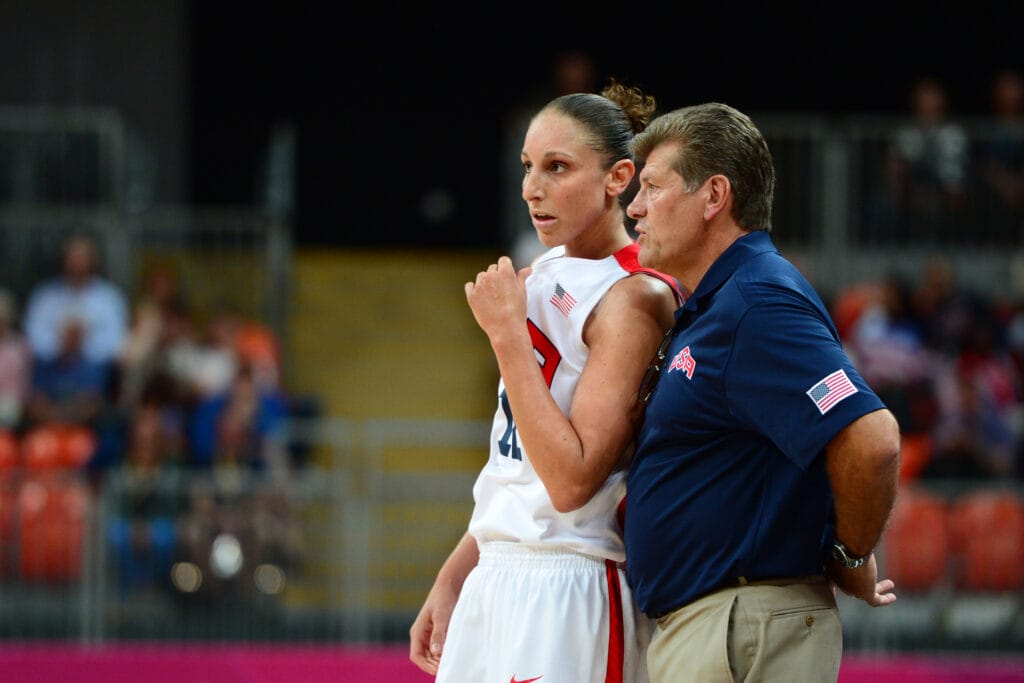
This goes without saying, but the influence Taurasi has had on today’s game will be seen for generations to come. Her cultural impact goes far beyond just the on-court achievements she had. As one of the WNBA’s most recognizable faces, she helped shape the league’s identity for two decades. The fearless style of play, competitive fire, and performance in a plethora of high-pressure situations transformed her into a role model for young players across the globe. Plus, her ability to remain an effective scorer into her 40’s sets a rare precedent for how long an athlete can remain in their prime, male or female, for others to follow.
The documentary also touched on Taurasi’s personality which endeared her to fans, teammates and coaches and made her the ire of referees (she’s the WNBA’s all-time leader in technical fouls). Throughout her career she was unapologetically herself from postgame interviews, trash talk on the court, and candid moments seen throughout the doc, she helped breakdown stereotypes of female athletes. Taurasi encapsulated what the WNBA needed: a relatable figure who could also be a face of an elite competitor. By embodying both, she was able to bridge the gap between casual and die-hard fans of the game.
As a three-time champion and six-time Olympic gold medalist, many players cite her as an influence on their career, especially the younger generation who have grown up always knowing there was a pro league they could eventually play in. Taurasi is the role model that she never had growing up by no fault of her own. Taurasi is not just a pillar of Phoenix or basketball, but for sports in general.
Comments
Share your thoughts
Join the conversation

The Comment section is only for diehard members
Scroll to next article

Don't like ads?
Don't like ads?
